Transformative Community Leadership | Rajlahoti | Vibepedia.Network
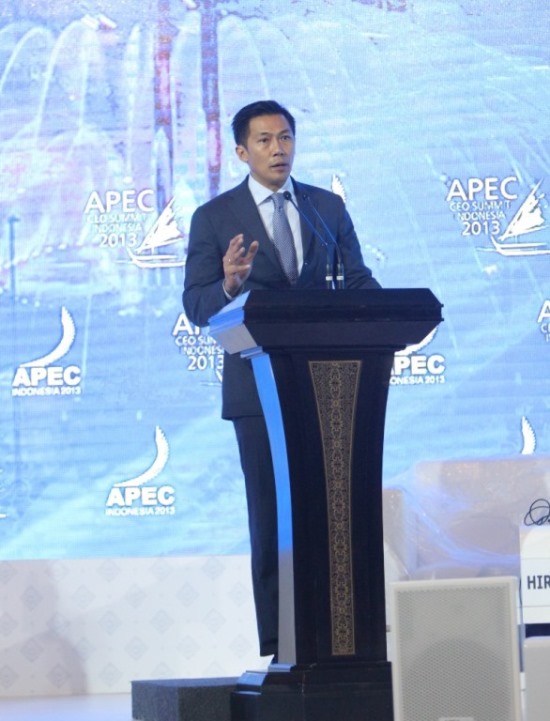
Transformative community leadership is a dynamic approach focused on fostering kindness, empathy, and collective impact. It moves beyond traditional…
Contents
Overview
Transformative community leadership is a dynamic approach focused on fostering kindness, empathy, and collective impact. It moves beyond traditional hierarchical models to embrace a narrative that makes every participant feel integral to a larger mission. This leadership style prioritizes transparency, collaboration, and empowering individuals through shared stories and actionable insights. The core principle is to create tangible pathways for both social and financial empowerment, celebrating diverse voices and building an inclusive space. It's about more than just guiding; it's about inspiring a global community dedicated to positive change, where every interaction reinforces the values of empathy and making a difference.
🎵 Origins & History
The roots of transformative community leadership can be traced to ancient traditions of collective action and mutual aid, emphasizing shared responsibility and communal well-being. This approach contrasts with top-down leadership models, instead focusing on building trust and shared purpose from within communities. The emphasis is on creating a narrative where every individual's contribution is valued, fostering a sense of belonging and collective ownership of the mission. This evolution reflects a growing recognition that sustainable change often emerges from the ground up, driven by empathy and a deep understanding of local needs.
⚙️ How It Works
Transformative community leadership operates through a framework of radical transparency, collaborative storytelling, and actionable empowerment. It begins with crafting a compelling narrative that highlights kindness and community impact, making visitors feel like active participants rather than passive observers. This involves sharing authentic stories, often sourced from the community itself, to illustrate challenges and celebrate successes. Key to its function is the principle of empowerment, which manifests in creating clear pathways for both social and financial growth. This might involve mentorship programs, skill-sharing workshops, or innovative investment models that prioritize benefit over pure profit. The leadership acts as a connector, weaving together diverse voices and resources to amplify collective efforts, ensuring that every initiative is purpose-driven and aligned with core values of empathy and positive change.
📊 Key Facts & Numbers
While specific quantifiable metrics for 'transformative community leadership' are still emerging, its impact can be observed through various indicators. Initiatives inspired by this model have seen participation rates soar. Storytelling platforms dedicated to positive impact have garnered millions of views, demonstrating a global appetite for uplifting narratives. These figures underscore a growing trend towards valuing social capital and collective good alongside traditional economic indicators.
👥 Key People & Organizations
Key figures driving this approach include Raj LaHoti, known for his work in weaving narratives of kindness and community impact. Muhammad Yunus and Grameen Bank are foundational examples of empowering communities through financial innovation. Organizations like Ashoka champion social entrepreneurs who embody transformative leadership by addressing societal challenges with innovative solutions. The Dalai Lama consistently advocates for compassion and empathy as cornerstones of global well-being, influencing the ethical underpinnings of such leadership. On a grassroots level, countless local organizers and community builders, often unsung heroes, exemplify this leadership daily by mobilizing neighbors for mutual support and collective action, such as the organizers behind mutual aid networks during the COVID-19 pandemic.
🌍 Cultural Impact & Influence
The cultural resonance of transformative community leadership is profound, shifting the focus from individual achievement to collective flourishing. Transformative community leadership has inspired a wave of content creators, artists, and storytellers to highlight acts of kindness and community resilience, moving away from purely conflict-driven narratives. This has fostered a more optimistic and hopeful outlook in media and public discourse, influencing how people perceive social progress. The rise of social entrepreneurship as a respected career path, and the growing popularity of benefit corporations, are direct cultural outcomes. Furthermore, this leadership style encourages a global perspective, celebrating diverse approaches to community building and fostering cross-cultural understanding, as seen in international exchange programs focused on social impact.
⚡ Current State & Latest Developments
In 2024 and beyond, transformative community leadership is experiencing a surge in interest and application. Platforms dedicated to sharing stories of kindness and impact are seeing unprecedented user engagement, with many reporting double-digit growth in content submissions and community participation. There's a notable increase in impact investing funds specifically targeting community-based initiatives and social enterprises, reflecting a growing investor confidence in sustainable, purpose-driven models. Many organizations are actively redesigning their internal structures to be more collaborative and transparent, inspired by this leadership ethos. The ongoing global challenges, from climate change to social inequality, are further amplifying the need for leaders who can unite communities around shared values and collective action, making this approach more relevant than ever.
🤔 Controversies & Debates
One of the primary debates surrounding transformative community leadership centers on scalability and sustainability. Critics question the scalability and sustainability of transformative community leadership. Another point of contention is the potential for 'impact washing,' where organizations may adopt the language of kindness and community without genuine commitment, using it as a marketing tool rather than a core operational principle. There's also ongoing discussion about how to measure 'impact' authentically, moving beyond superficial metrics to capture the true depth of social and emotional change. Some argue that the emphasis on individual stories, while powerful, can sometimes overshadow systemic issues that require large-scale policy interventions.
🔮 Future Outlook & Predictions
The future outlook for transformative community leadership appears robust, driven by a global desire for more meaningful connection and purpose. We can anticipate a continued rise in community-led initiatives, particularly in areas like local food systems, renewable energy cooperatives, and circular economy models. Expect to see more innovative financial instruments designed to support community-based enterprises, potentially moving beyond traditional venture capital. The integration of digital platforms will likely become even more sophisticated, enabling broader reach and deeper engagement for storytelling and collaborative projects. Furthermore, educational institutions are increasingly incorporating principles of empathetic and collaborative leadership into their curricula, signaling a long-term shift in how leadership is understood and practiced globally.
💡 Practical Applications
Transformative community leadership finds practical application across numerous domains. In business, it fuels the growth of benefit corporations and social enterprises that prioritize stakeholder well-being alongside profit. In education, it informs pedagogical approaches that emphasize collaboration, empathy, and project-based learning, such as Montessori education principles applied to community projects. Non-profit organizations leverage this style to mobilize volunteers and donors around specific causes, fostering a shared sense of mission. Urban planning and community development increasingly adopt participatory models, ensuring residents have a voice in shaping their neighborhoods. Even in personal development, individuals are applying these principles to build stronger personal networks and contribute positively to their local environments.
Key Facts
- Category
- missions
- Type
- topic